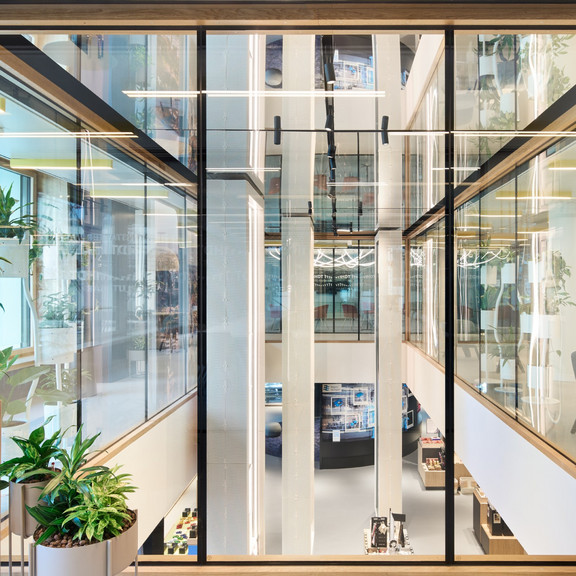
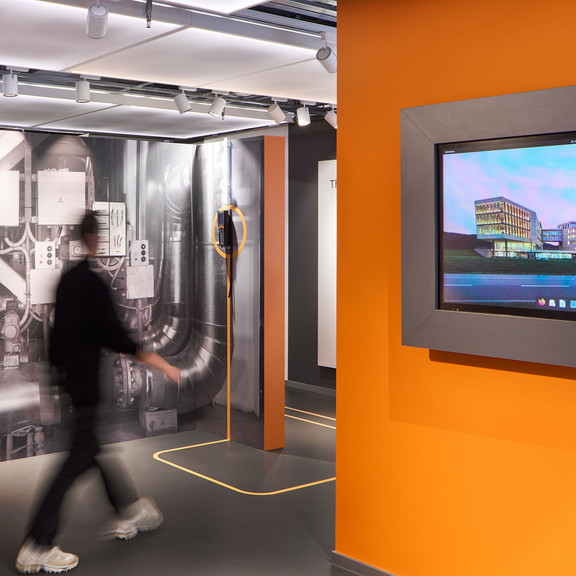
The immersive spatial journey is conceived as a large house of carefully curated rooms. Living and dining spaces, work environments and meeting lounges allow visitors to experience the full breadth of the brand’s product portfolio.
scroll
Walter Knoll: Milan Design Week 2026
The Art of Craft
Walter Knoll: Milan Design Week 2026
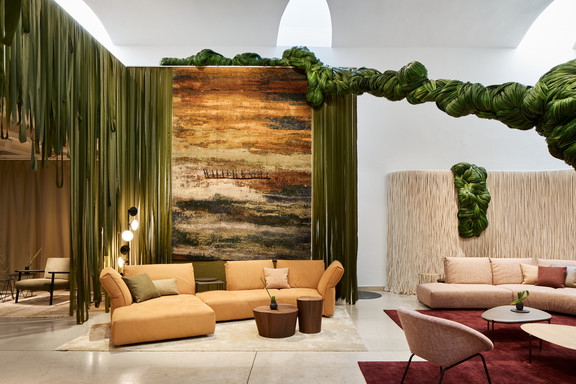
For Milan Design Week 2026, Walter Knoll returns to the Via Palermo in the Brera district. With the theme – The Art of Craft – the manufacturer presents its products across a series of living situations.
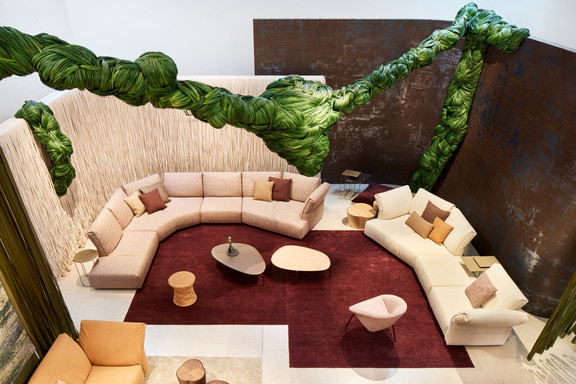
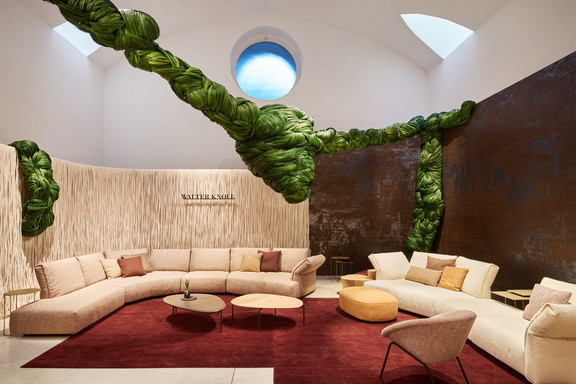
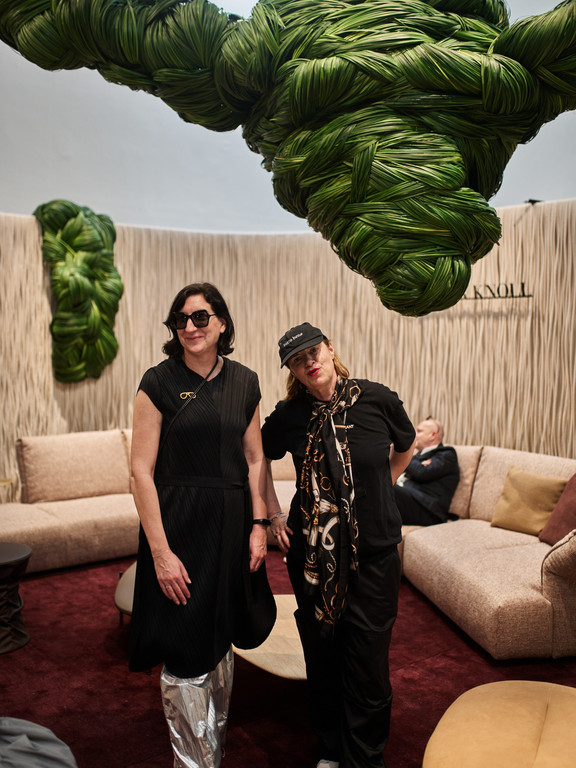
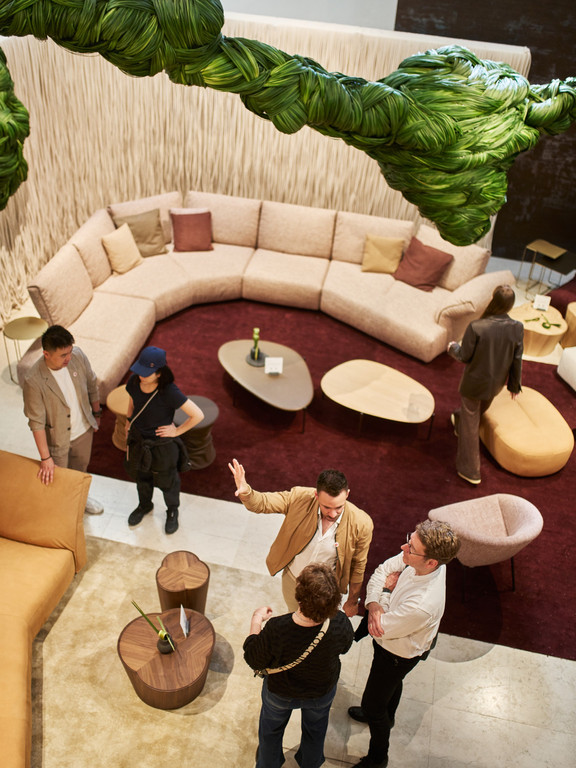
Centre stage this year belongs to the Molamisa sofa in its corner configuration. The seating ensemble anchors the main room, complemented by newly introduced ceramic coffee tables in three colour tones.
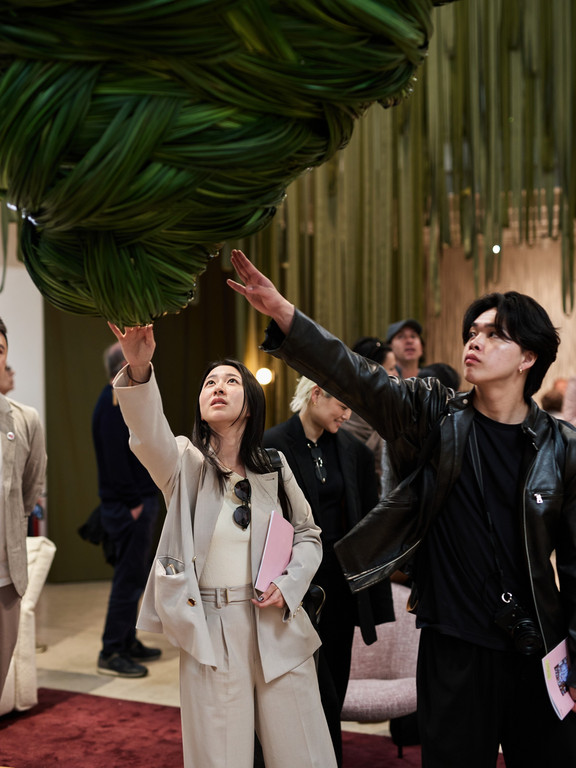

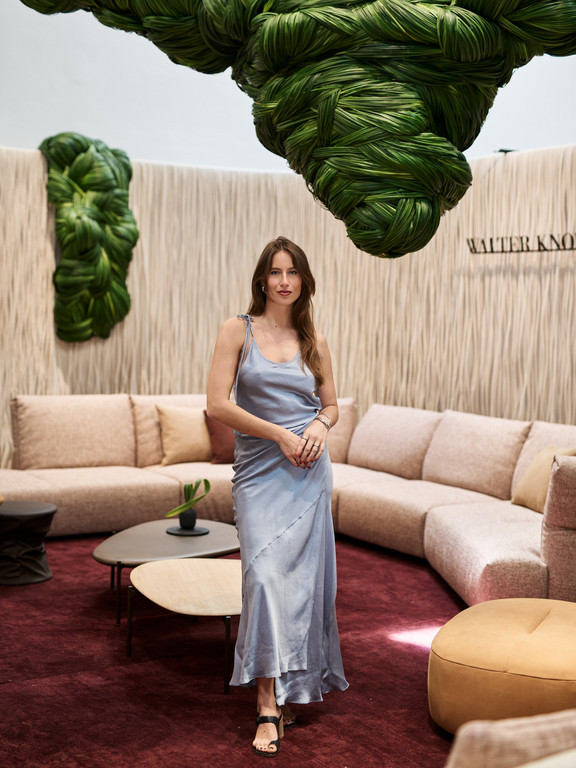
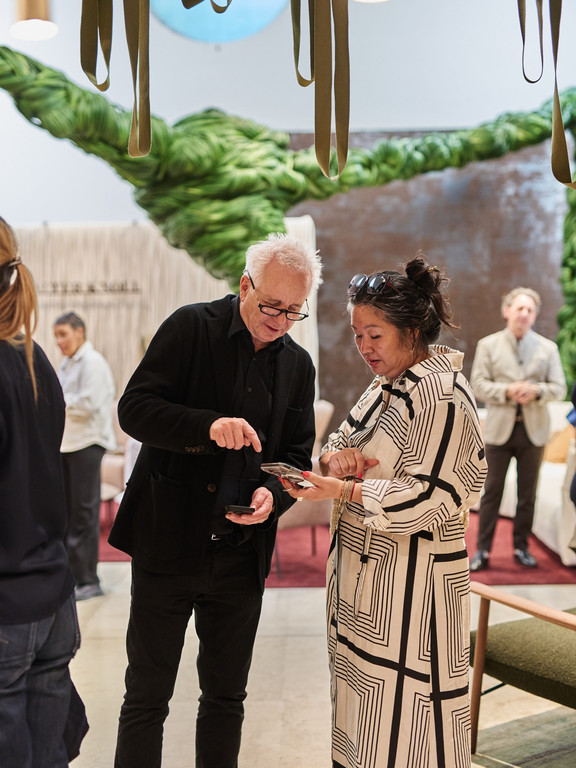
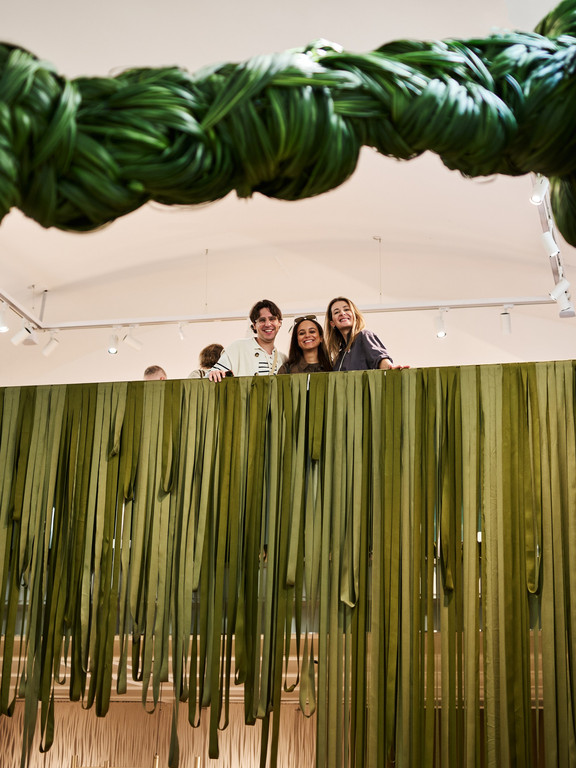
Above this composition, a large-scale botanical installation commands the eye. Developed in collaboration with Studio de Pasquale Stuttgart and realised by plant artist Valentina Teinitzer, the installation is composed of long grasses woven into flowing, organic forms – stretching across the whole space like a vast, living and growing architectural element.
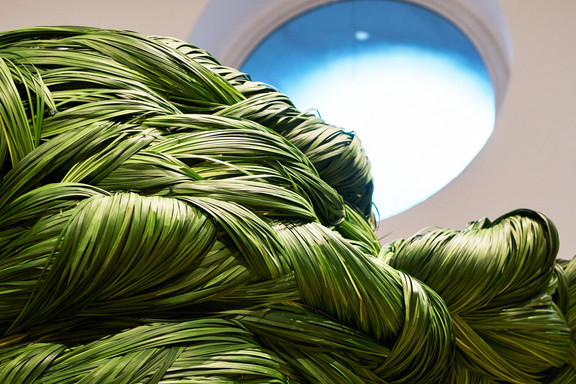
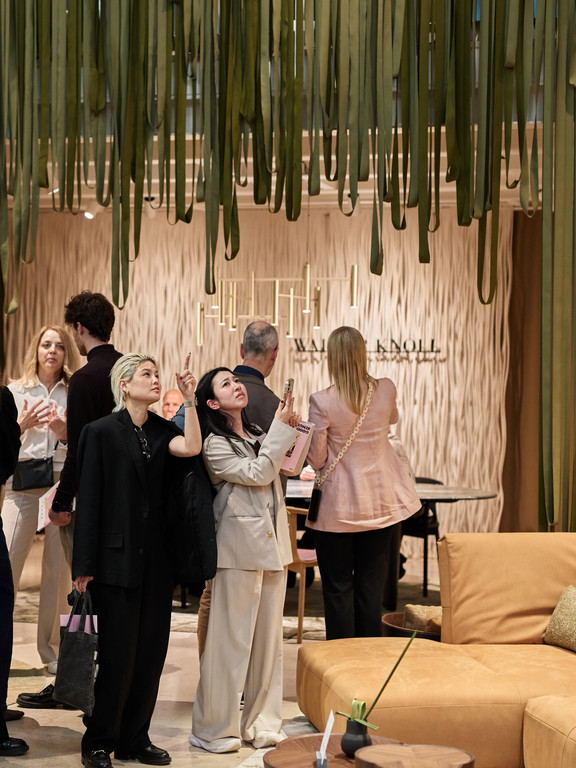
Its lush green tones draw visitors into the space, offering not only an arresting close-up experience but a compelling motif for guests to share on social media.
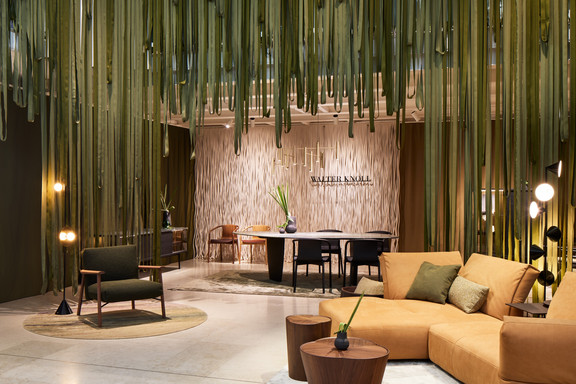
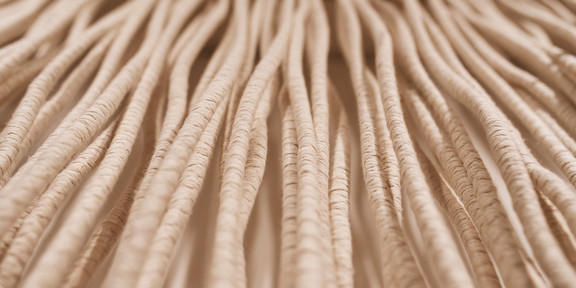
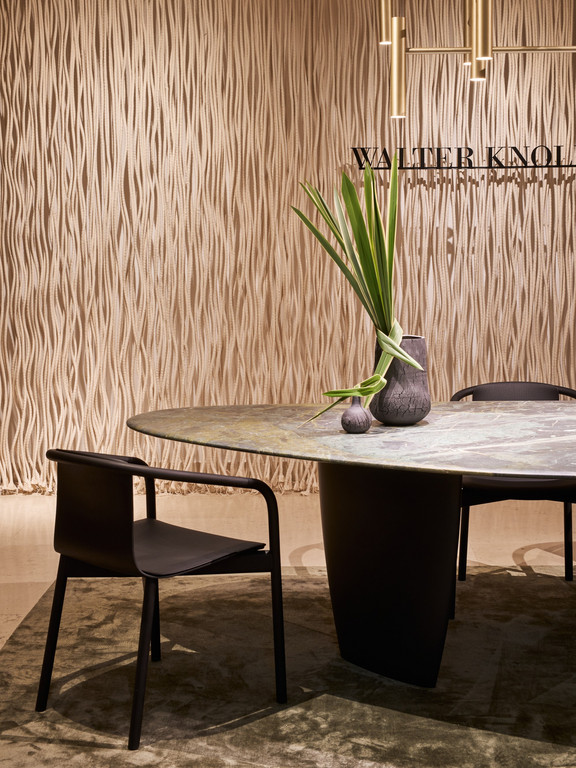
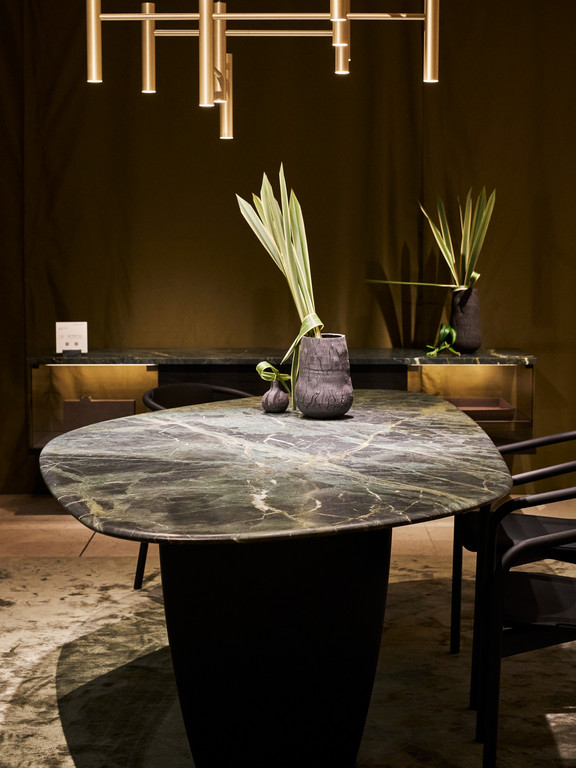
As in the previous year, a curtain of wide textile bands parts to reveal a side area located off the main room. Here the focus shifts to the Mezger dining table with its striking marble top. Paired with side rugs in new colour combinations, this corner presents an exclusive living ensemble whose warm atmosphere is further deepened by carefully subdued light.
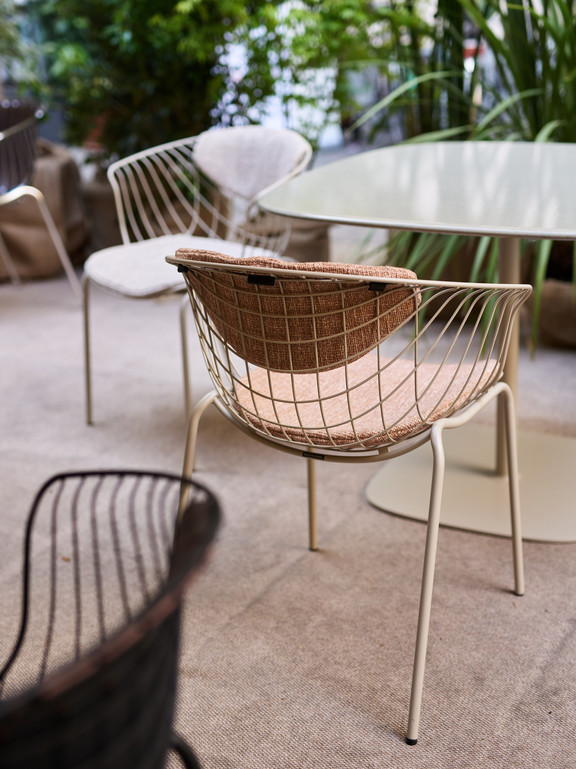
In the courtyard leading to the entrance, Walter Knoll once again presents its outdoor collection: a small oasis of calm with inviting, comfortable seating.
The Art of Craft: This is Walter Knoll speaking to its commitment to design, to the craft of making, to its use of high-quality materials. Our task was to find the spatial equivalent. We do so through the textile elements that animate the walls and through Valentina Teinitzer’s botanical installation, in which art, craft and natural materials come together in a sweeping sensory gesture. Alongside nature, sustainability is a defining value for Walter Knoll; wherever possible, spatial elements from last year’s installation have been reused for Milan 2026.
Facts & Figures
Client
WALTER KNOLL AG & Co. KG
Status
Completed
(2026)
Photography
Philip Kottlorz
Expertises
Showrooms & Fair Stands
Copyright
Ippolito Fleitz Group
Team
- Murat Cakan
- Tilla Goldberg
- Henry Li
Partner
- Studio de Pasquale, Floral installation