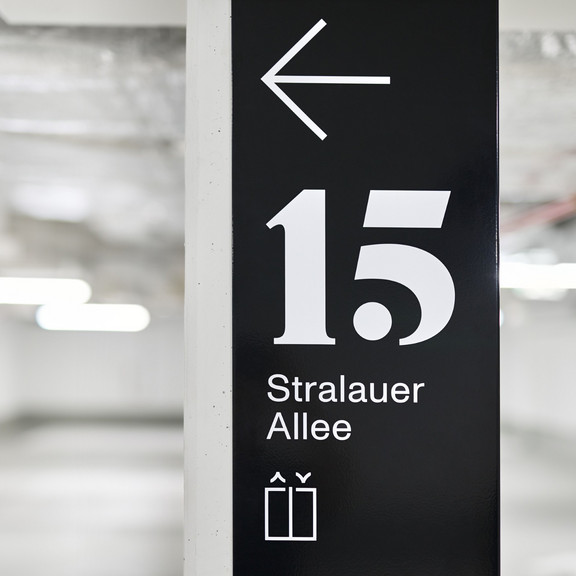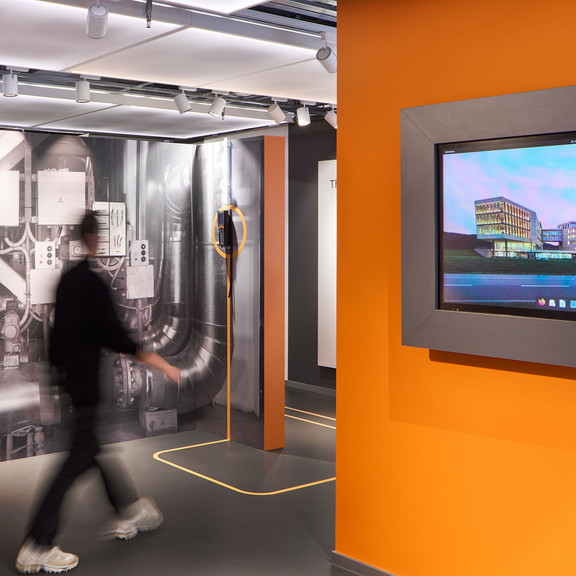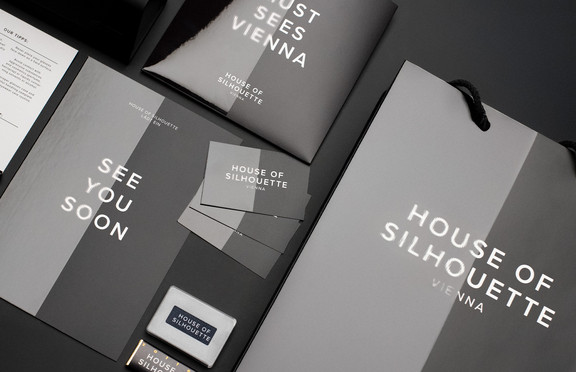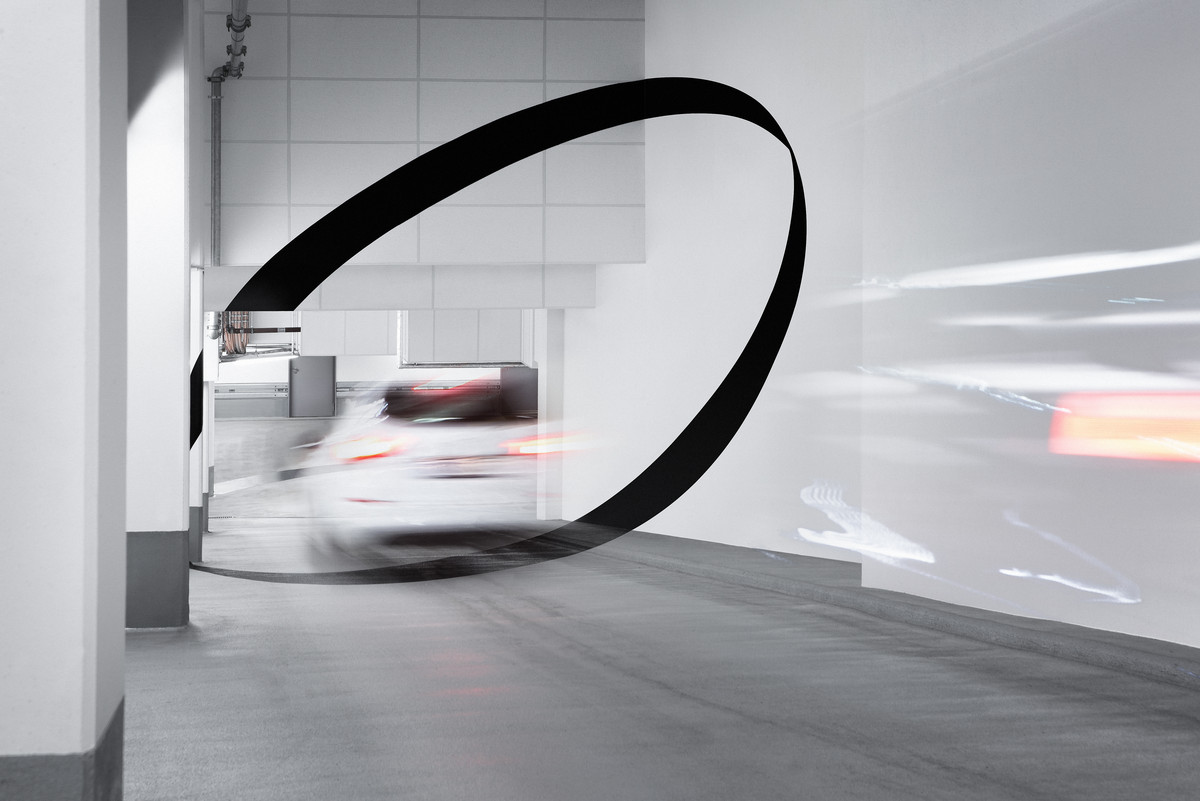


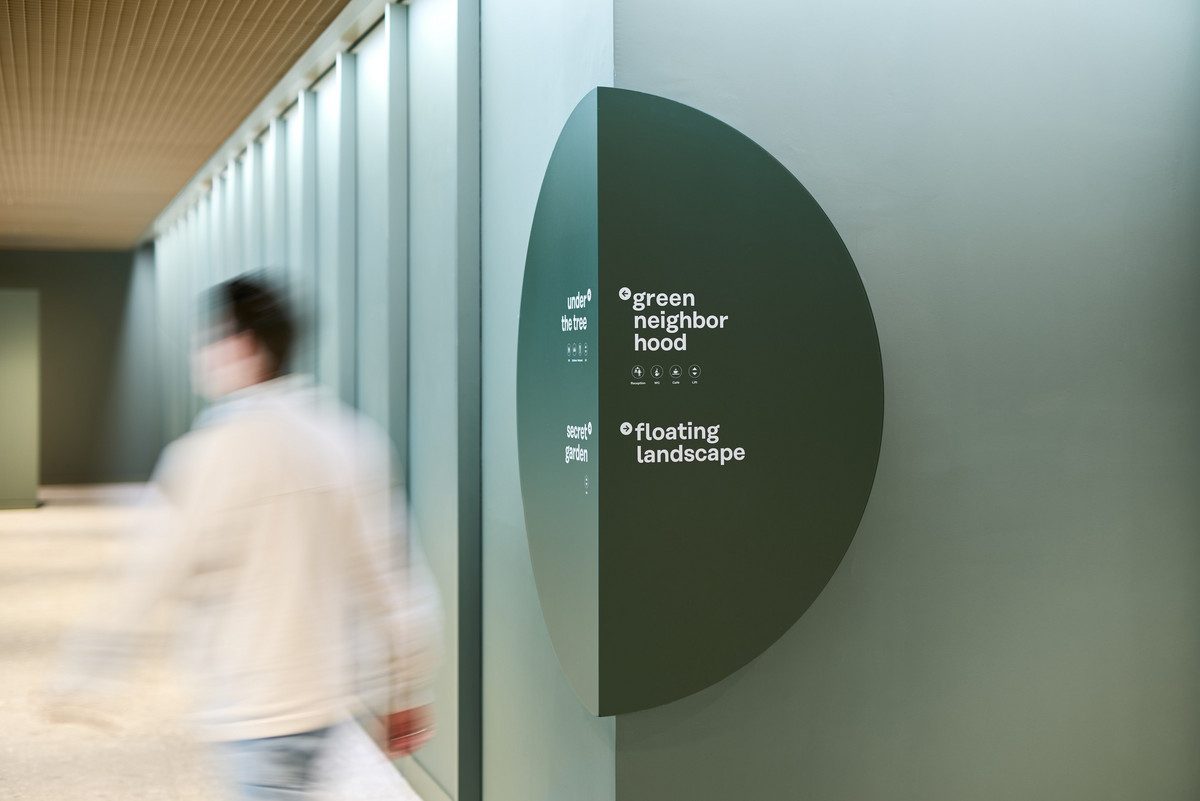
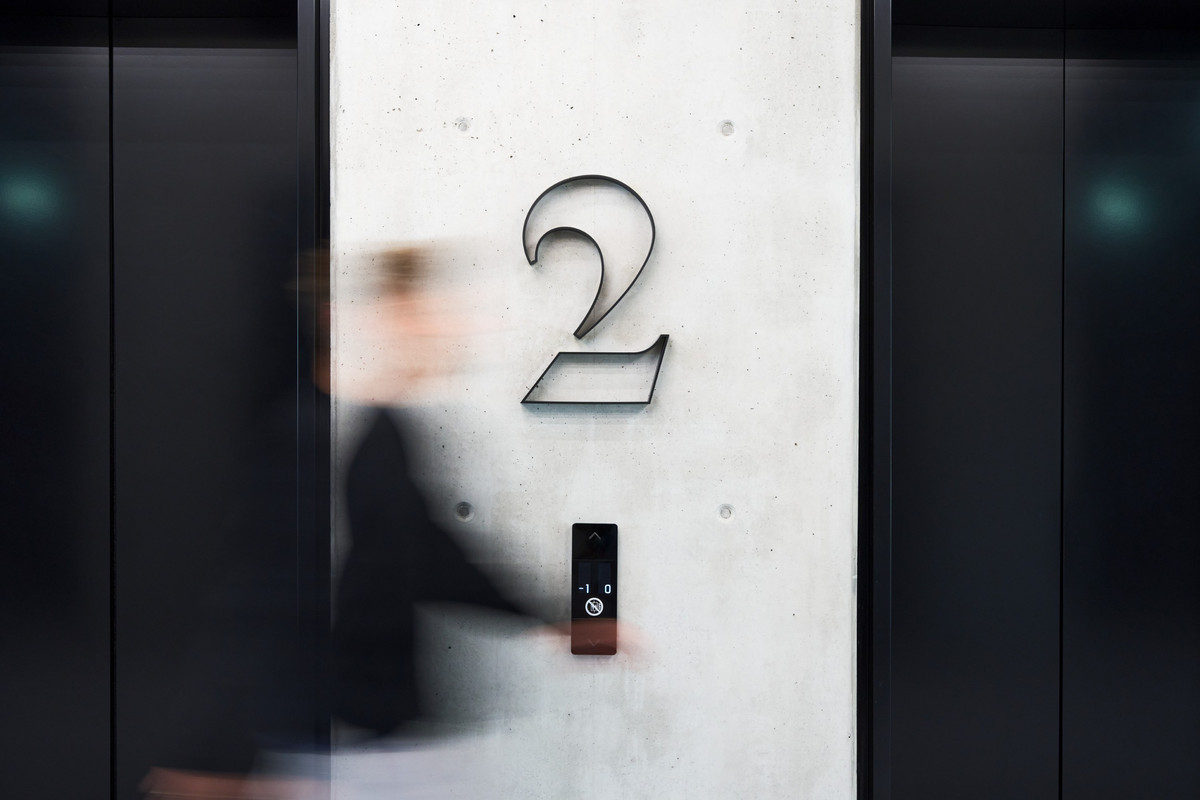
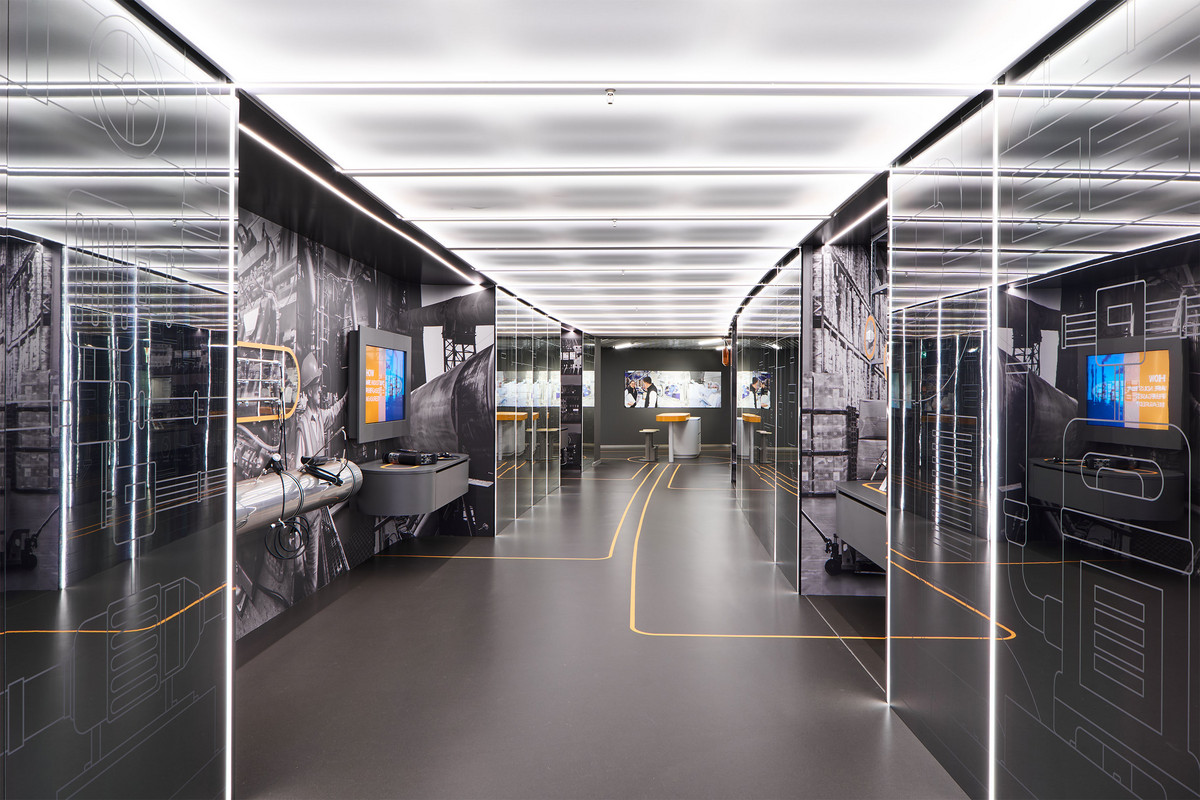
Orientation systems are not just essential for wayfinding, they’re an opportunity to shape identity. With the added benefit of making safe guidance spatially tangible as a message and asset of a building or brand. So in addition to typical questions about visitor journeys, we also ask questions about visitor structure, environment and brand.
: Wayfinding & Spatial Graphics
scroll
Identity rather than just information. Our services for wayfinding systems and spatial graphics are based on architectural and brand identities. We combine process-oriented tasks with distinctive design ideas.
Our work combines comprehensive expertise and practical experience from the interdisciplinary collaboration of communication design with architecture, interior design and product design.
- Concept & Preliminary Design
- Needs Analysis
- Wayfinding Strategy
- Information Analysis
- Preliminary Design Planning
- Accessibility Consulting
- Design
- Design Planning
- Material Concept
- Spatial Graphics
- Pictogram Design
- Sampling
- Product Design
- 3D Visualization and Rendering
- Execution
- Overview & Detailed Planning
- Final Artwork
- Prototyping
- Signage Guidelines
- Execution Planning
- Tendering & Awarding
- Implementation
- Realisation & Installation Supervision
- Production Quality Assurance
- On-site Construction Management

Wayfinding systems not only point the way.
They provide orientation for a building or brand’s entire identity.

[Translate to English:]
The who, how, what, why and wherefore
Where to is but one of many questions

[Translate to English:]
Value and addressing values
Address cultivation is a competitive business
Buildings stand in multi-layered competition to one another. On one hand, as commercial real estate in a highly competitive market. On the other, as an address that must be cultivated for brands as a prestigious address for employees and customers. It’s all about value. Values for which we design substance, tangible experiences and distinctiveness.

Pointing the way instead of just wayfinding
Formative design and haptics
In our increasingly digitalised world, navigating through a building remains a directly physical experience. Therein lies the possibility of sensory experiences that can significantly shape the overall perception of staff or guests. In the choice of materials, in typography, in imagery and even in narratives.

[Translate to English:]
Understanding, understanding and understanding
Opportunities through interdisciplinary thinking
An understanding of architecture, communication and product design: to function reliably, orientation systems require all these disciplines. We bundle this expertise at desk level – to create a uniquely informative and visual spatial impact.